
💡 Did You Know?
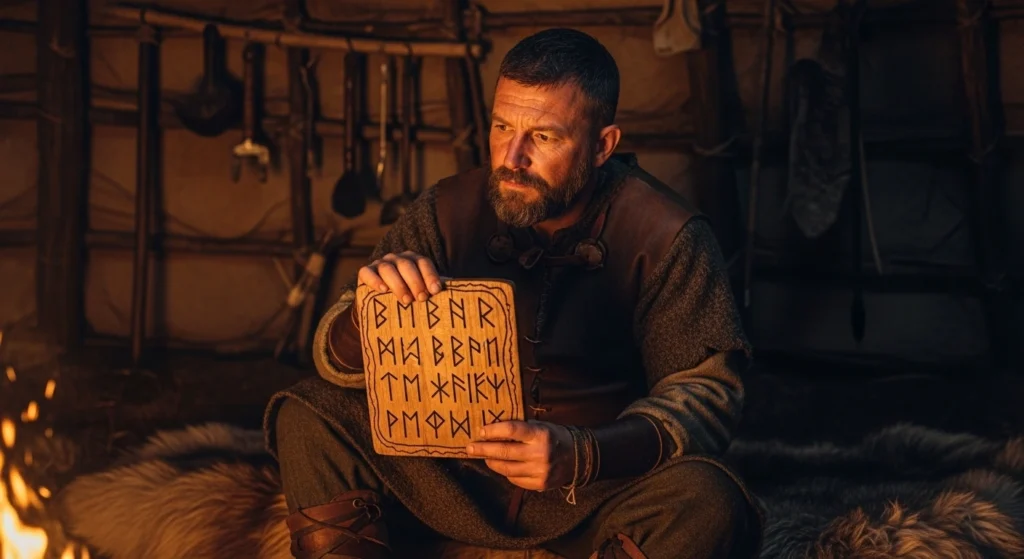
The Exeter Book, compiled around 975 AD, contains nearly 100 Anglo-Saxon riddles, showcasing the creativity and humor of early English culture.
Riddles were used to teach language, memory, and cultural knowledge, making them a vital educational tool in Anglo-Saxon times.
🎯 Riddle of the Day
I have a head but no brain,
I can bite but leave no mark.
Can you guess the answer? Comment below!
🏺 Everyday Life Riddles
I grind grains yet never chew 👉 Millstone
I hold water yet never drink 👉 Bucket
I am carried yet have no legs 👉 Bag
I cook food yet never taste 👉 Cauldron
I warm the hall but never burn 👉 Hearth
I shine but have no eye 👉 Mirror
I shelter roofs yet never sleep 👉 Roof beam
I bind books yet never read 👉 Cover
I cut meat yet never eat 👉 Knife
I am tied yet never bound 👉 Rope
🐑 Farm & Animal Riddles
I provide wool yet never knit 👉 Sheep
I cluck but never fly 👉 Hen
I guard flocks yet never roam 👉 Shepherd dog
I pull plows but never complain 👉 Ox
I give milk yet never drink 👉 Cow
I am a horse yet never race 👉 Cart horse
I bray yet never speak 👉 Donkey
I follow yet never lead 👉 Flock of sheep
I peck at grain but never hoard 👉 Chicken
I crow at dawn yet never wake 👉 Rooster
⚔️ Weapons & War Riddles
I shine in battle yet never fight alone 👉 Sword
I strike from a bow but never run 👉 Arrow
I protect warriors yet never bleed 👉 Shield
I clang yet never speak 👉 Helmet
I am sharp yet never cut myself 👉 Spear
I fly through air but have no wings 👉 Javelin
I am carried in packs but never move 👉 Quiver
I flash in sun yet never blind 👉 Sword blade
I guard treasures yet never sleep 👉 Chest
I am pointed yet never push 👉 Pike
🌊 Nature & Sea Riddles
I rise and fall yet have no legs 👉 Wave
I carry ships yet never sail 👉 Ocean
I roar without a mouth 👉 Sea
I glisten in sun but never shine 👉 Ice
I hide creatures yet never speak 👉 Rock pool
I drift yet never wander 👉 Log
I reflect sky but never look 👉 Water
I crash yet never break myself 👉 Wave
I swallow yet never chew 👉 Whirlpool
I lap at shores yet never walk 👉 Tide
📜 Poetry, Words & Knowledge
I rhyme yet never sing 👉 Riddle
I tell stories yet have no mouth 👉 Scroll
I preserve knowledge yet never speak 👉 Manuscript
I fold yet never bend myself 👉 Codex
I teach lessons yet never scold 👉 Book
I pass through hands yet never travel 👉 Page
I reveal secrets yet remain silent 👉 Letter
I am inked yet never bleed 👉 Writing
I guide minds yet have no brain 👉 Text
I last centuries yet never age 👉 Manuscript