
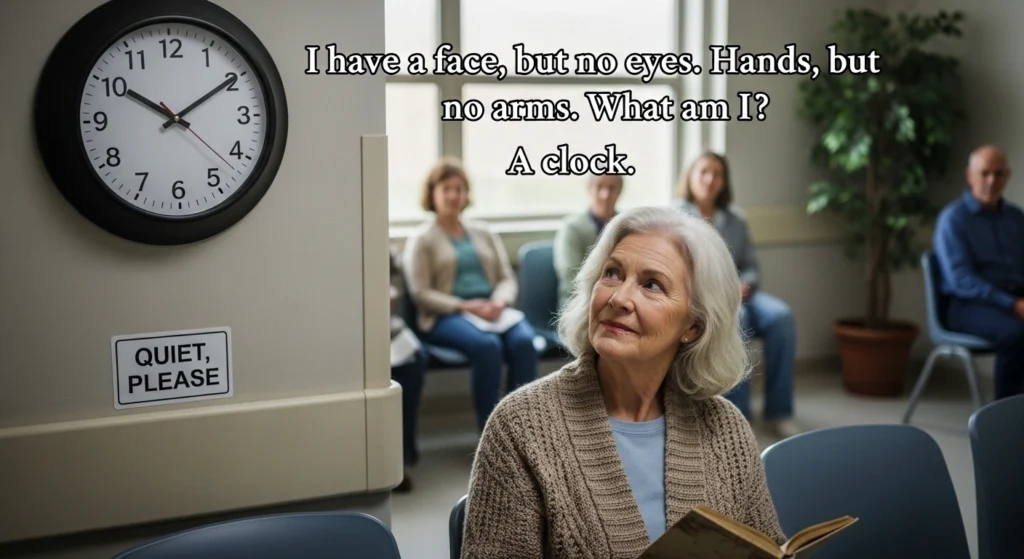
Hospitals are places of healing, hope, and human stories. Behind the quiet halls, beeping machines, and white coats lies a world full of curiosity, learning, and everyday mystery. That’s exactly why hospital riddles have become a modern favorite. They turn a serious setting into a playful thinking space where the brain stretches, smiles, and learns at the same time.
In today’s world, riddles are more than just fun questions. They help kids learn new words, teens sharpen logic, and adults relax their minds. Hospital-themed riddles are trending because they mix real-life knowledge with imagination. They make medical spaces feel less scary and more familiar — especially for young readers. This article is written for kids, teens, adults, teachers, parents, and anyone curious about the world of healthcare. Every riddle is original, clean, modern, and easy to enjoy.
💡 Did You Know?
Solving riddles activates problem-solving and memory areas of the brain, similar to learning new skills.
Educational riddles are often used to reduce anxiety in hospital learning programs for children.
🎯 Riddle of the Day
I listen without ears and speak without a mouth,
Doctors trust me daily to check your health.
What am I?
Can you guess the answer? Comment below!
🏥 Hospital Places You Think You Know
Where do patients wait their turn 👉 the waiting room
Where do doctors meet emergencies 👉 the ER
Where are babies welcomed into the world 👉 the maternity ward
Where do surgeries take place 👉 the operating room
Where do sick people rest 👉 hospital rooms
Where are X-rays taken 👉 the radiology room
Where are medicines stored 👉 the pharmacy
Where do nurses prepare supplies 👉 the nurse station
Where do visitors enter first 👉 the reception area
Where are patients moved quickly 👉 the hallway
🩺 Tools Doctors Use Every Day
What listens to your heartbeat 👉 a stethoscope
What checks your temperature 👉 a thermometer
What measures blood pressure 👉 a cuff
What shines light in your eyes 👉 a flashlight
What shows bones clearly 👉 an X-ray
What helps doctors see inside 👉 a scanner
What holds medicine safely 👉 a syringe
What supports breathing 👉 an oxygen mask
What checks heart rhythms 👉 a monitor
What helps hear tiny sounds 👉 medical instruments
👩⚕️ People Who Work in Hospitals
Who checks on patients all day 👉 a nurse
Who diagnoses illnesses 👉 a doctor
Who helps during surgery 👉 a surgeon
Who delivers babies 👉 an obstetrician
Who keeps rooms clean 👉 a cleaner
Who helps patients walk again 👉 a therapist
Who manages medicines 👉 a pharmacist
Who greets patients first 👉 a receptionist
Who takes X-ray images 👉 a radiologist
Who saves lives fast 👉 paramedics
💊 Medicines and Treatments Explained Simply
What helps fight infection 👉 antibiotics
What reduces pain 👉 painkillers
What helps you sleep during surgery 👉 anesthesia
What treats broken bones 👉 casts
What heals cuts 👉 bandages
What strengthens immunity 👉 vaccines
What controls fever 👉 medicine
What helps breathing 👉 inhalers
What treats allergies 👉 antihistamines
What supports recovery 👉 therapy
🛏️ Patient Life Inside the Hospital
What do patients rest on 👉 a hospital bed
What rings to call help 👉 a nurse bell
What holds your arm still 👉 an arm sling
What keeps you warm 👉 blankets
What shows your name 👉 an ID band
What tracks your condition 👉 charts
What gives fluids 👉 an IV drip
What protects wounds 👉 dressings
What helps you walk 👉 crutches
What keeps visitors safe 👉 rules
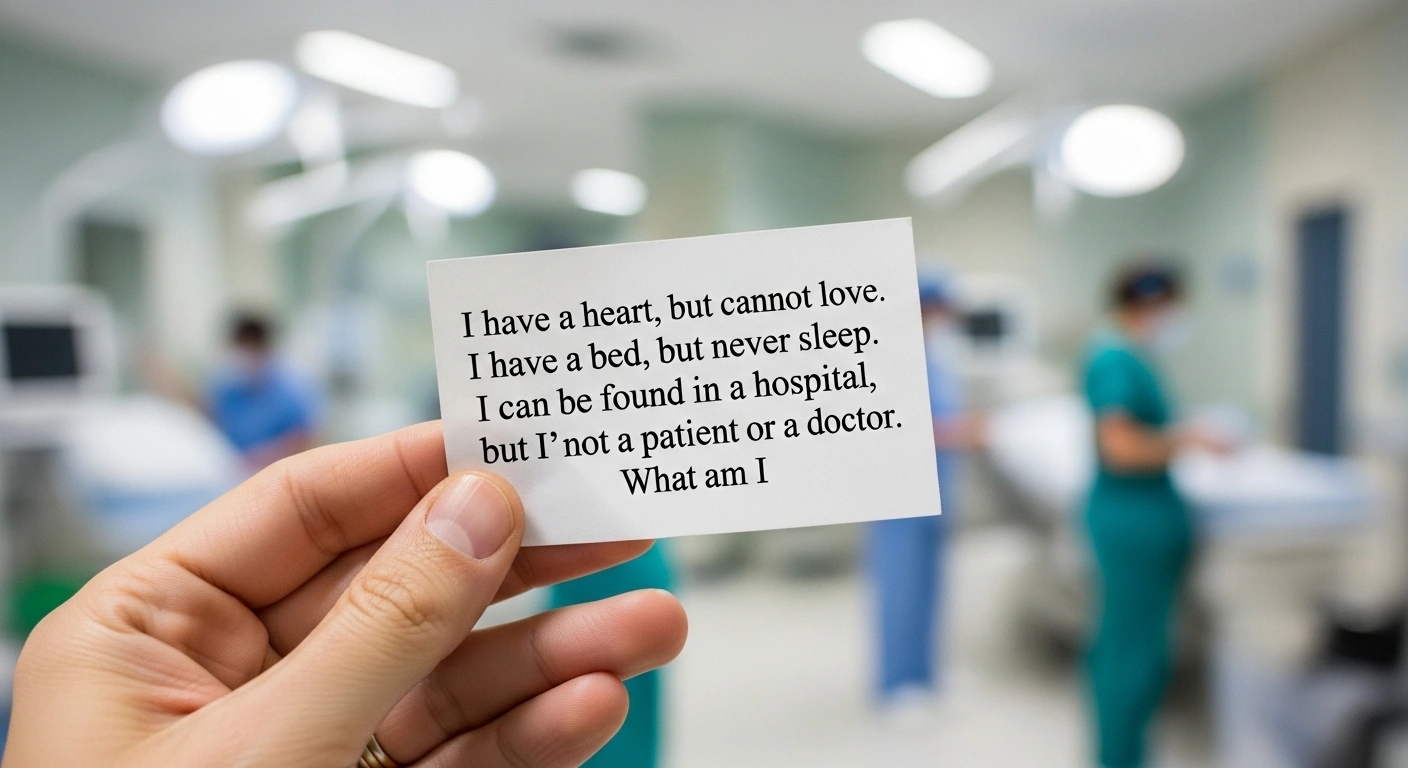
🚑 Emergency Moments Made Simple
What brings patients fast 👉 an ambulance
What sounds loudly for help 👉 a siren
What treats injuries first 👉 first aid
What stops bleeding 👉 pressure
What helps breathing quickly 👉 oxygen
What doctors act on fast 👉 emergencies
What saves lives suddenly 👉 CPR
What checks vital signs 👉 monitors
What opens blocked airways 👉 tubes
What calms panic 👉 reassurance
🧠 Brainy Hospital Riddles for Thinkers
What remembers patient history 👉 medical records
What predicts illness 👉 diagnosis
What guides treatment 👉 experience
What doctors follow 👉 protocols
What nurses rely on 👉 teamwork
What keeps patients safe 👉 hygiene
What helps decisions 👉 test results
What improves care 👉 technology
What supports healing 👉 rest
What builds trust 👉 communication
🧪 Medical Tests and Checks
What tests blood health 👉 blood tests
What checks vision 👉 eye exams
What listens to lungs 👉 chest exams
What checks sugar levels 👉 glucose tests
What tests reflexes 👉 nerve checks
What measures oxygen 👉 pulse oximeters
What checks heart activity 👉 ECG
What tests urine 👉 urinalysis
What checks hearing 👉 audiometry
What tests allergies 👉 skin tests
🧼 Cleanliness and Safety in Hospitals
What kills germs 👉 disinfectant
What doctors wear 👉 gloves
What covers faces 👉 masks
What protects clothes 👉 gowns
What keeps hands clean 👉 sanitizer
What reduces infection 👉 sterilization
What keeps floors safe 👉 cleaning
What keeps tools clean 👉 autoclaves
What protects patients 👉 hygiene rules
What prevents spreading illness 👉 isolation
🧒 Hospital Riddles for Kids
Who gives you a sticker 👉 the nurse
What makes you feel brave 👉 kindness
What helps pain go away 👉 medicine
What do doctors wear 👉 white coats
What makes hospitals friendly 👉 smiles
What helps you feel safe 👉 care
What do you get after shots 👉 bandages
What cheers kids up 👉 toys
What helps you heal faster 👉 rest
What makes you feel better 👉 love
🌍 Modern Hospital Technology
What stores digital records 👉 computers
What shows inside the body 👉 scanners
What doctors check remotely 👉 screens
What alerts nurses 👉 alarms
What tracks heartbeats 👉 monitors
What helps robotic surgery 👉 machines
What sends data fast 👉 networks
What supports telemedicine 👉 video calls
What improves accuracy 👉 AI tools
What saves time 👉 automation
❓ FAQs
What are hospital riddles?
Hospital riddles are fun, educational questions based on hospitals, doctors, nurses, patients, and medical life.
Are hospital riddles good for kids?
Yes, hospital riddles help kids learn about healthcare in a friendly, non-scary way.
Can hospital riddles be used in classrooms?
Absolutely, teachers use hospital riddles to teach vocabulary, science, and critical thinking.
Why are hospital riddles popular?
They mix real-world knowledge with fun thinking, making learning engaging and memorable.
Who can enjoy hospital riddles?
Kids, teens, adults, patients, educators, and anyone curious about healthcare can enjoy them.
🌟 Conclusion
Hospitals may be serious places, but learning about them doesn’t have to be. Hospital riddles turn care, science, and everyday medical moments into playful puzzles that spark curiosity and confidence. Each riddle helps the mind heal from boredom while learning something new.Share these riddles with students, family, or friends. Save them for classrooms, waiting rooms, or quiet thinking time. Drop your favorite answers in the comments and let curiosity spread.Because when knowledge meets fun, even a hospital becomes a place where smiles and smart thinking grow together. 🏥🧠